01 / SENSEHARDWARE PLAN
Read the room.
A separate room sensor board is planned to inform routines. Coverage and placement—including the above-bed concept—need validation.
ROOM SENSING / UNDER DEVELOPMENT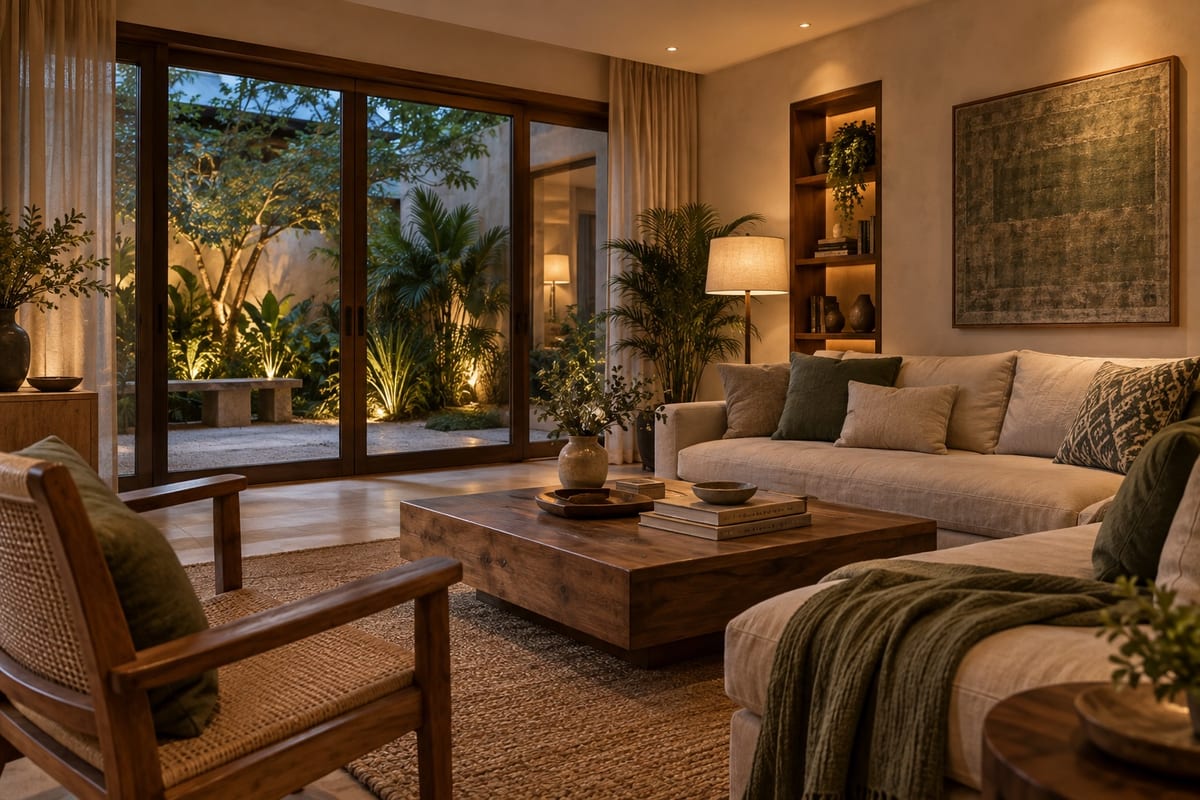
HEARTH / BY PP VENTURES
OWN-ROOM PROTOTYPE · IN DEVELOPMENTLocal-first automation.
Starting in our own room.
Lighting. Compatible sensors. Understandable routines.
Local-first development, starting in our own room.
TRY THE IDEA
Tap a room, change the conditions, or simulate a missed action. Everything here is a browser example—not your home.
Choose an example
Interactive simulation only. This does not read or control any real home or device.
REQUESTED ≠ REPORTED
Requested: living-room light 35%. Reported: 35%. Verified in this simulation.
Verification needs device feedback. This is simulated feedback, not proof of real-world safety or reliability.
Evening example loaded. Occupied rooms get soft light when daylight is low.
01 / EVIDENCE, NOT PROMISES
Start with what exists. The Hearth app prototype explores rooms, routines and activity with sample data. The hardware starting point is our own room; safety functions and whole-home commissioning are not established.
Hearth starts with a prototype in our own room. These app screens use sample data; they do not establish a commissioned whole-home system or customer installation portfolio. Explore the hardware plan and current development stage.
Meet HearthHEARTH / THE IDEA
Early prototype. This scene illustrates the intended system; whole-home operation and safety remain unproven.
Skip to the lighting demoHEARTH · IN DEVELOPMENT
A schematic of the direction we’re developing, not a live home or a safety demonstration.
The demo is a browser simulation. Prototype screens use sample data.
Explore the intended architecture ↗02 / THE SYSTEM, CONSIDERED
The intended system separates room sensing, switchboard control and the property hub. The app makes their state and routines understandable. Custom hardware is still being developed.
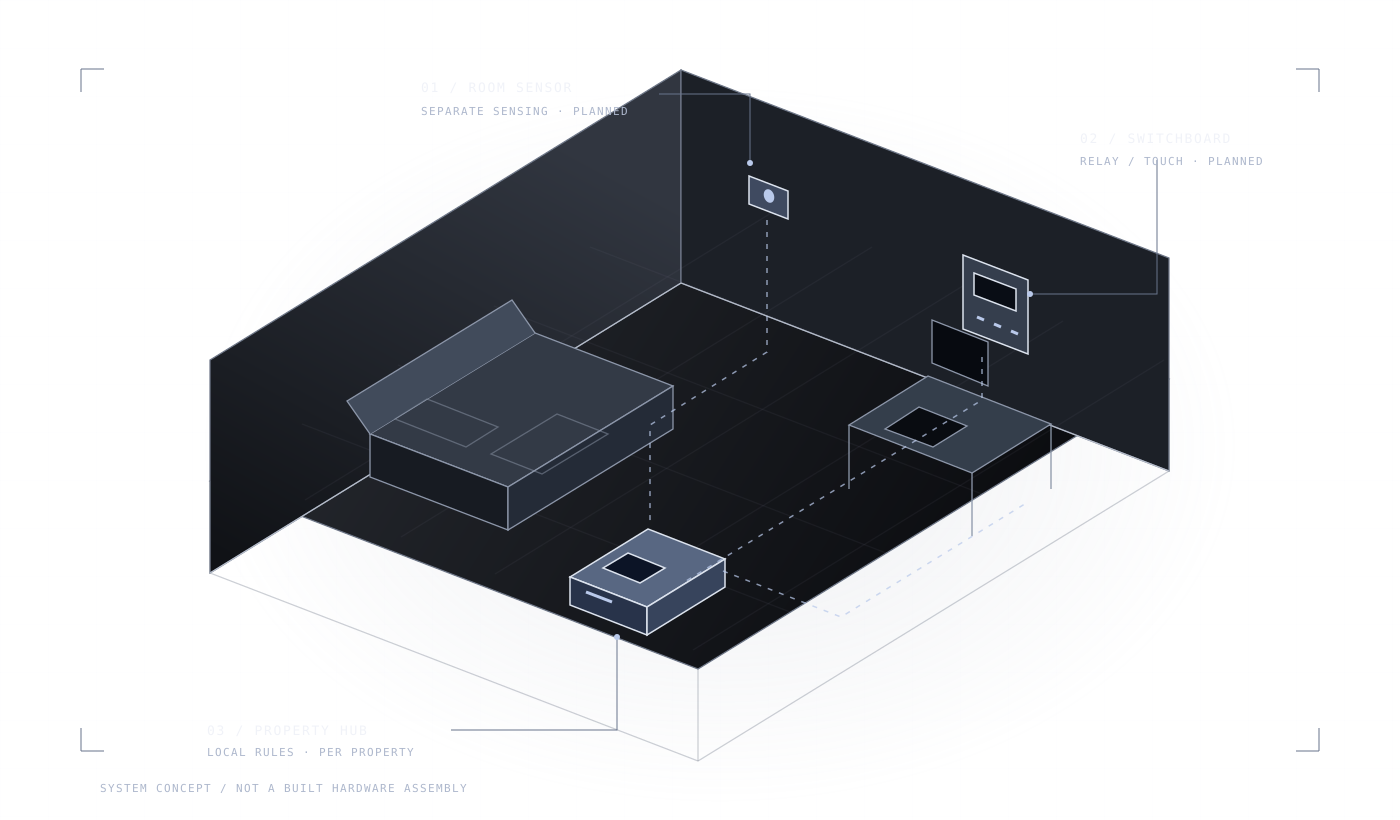
A separate room sensor board is planned to inform routines. Coverage and placement—including the above-bed concept—need validation.
ROOM SENSING / UNDER DEVELOPMENTRelay hardware and a touch panel are planned at the switchboard. Manual fallback, wiring and electrical review remain essential checks.
SWITCHBOARD / UNDER DEVELOPMENTA hub per property is intended to coordinate configured local routines. Power, compatible devices and the local network still matter.
PROPERTY HUB / INTENDED ARCHITECTUREConcept illustrations, not finished hardware. Current work is an own-room prototype. Pump stop safeguards need further work and testing; no tested flood-protection claim is made.
Explore the architecture05 / BUILD WITH CARE
The current prototype is the starting point. App screens use sample data; they are not a commissioned multi-floor system or customer portfolio.
Develop the room and switchboard modules. Check coverage, compatible devices, manual fallback and electrical responsibilities before making wider claims.
A potential project needs its own rooms, wiring, network, routines and installation scope reviewed. Availability is confirmed individually.
LET’S START WITH A CONVERSATION
PROTOTYPE WALKTHROUGH ENQUIRIES WELCOMETell us about your rooms, existing devices and the routine you want to simplify. We can discuss the prototype and a practical starting point. No instant booking or installation commitment.
Request a walkthrough